4.SOILS
SOIL
-
🦆A Soil is an unconsolidated thin layer covers on the earth surface. composed of organic and inorganic nutrients formed due to the weathering process Soils are a non - renewable resource in a shorter span of time, where as this are a renewable resource in a longer span of time, because it takes 5000-10000 years for the formation of 1 meter thickness of the soil, but it takes only few days to destruct the same meter thickness of the soil.
-
The science which studies the Physical & Chemical composition of soils is pedology, where as the soil forming process is known as :: pedogenesis.
- The science which deals with the formation of the soils is known as {{lithology}}.
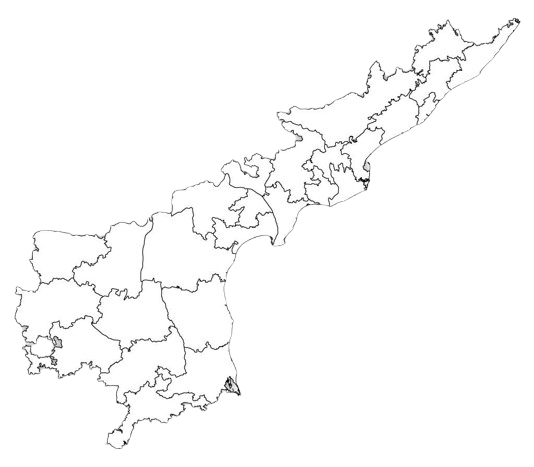
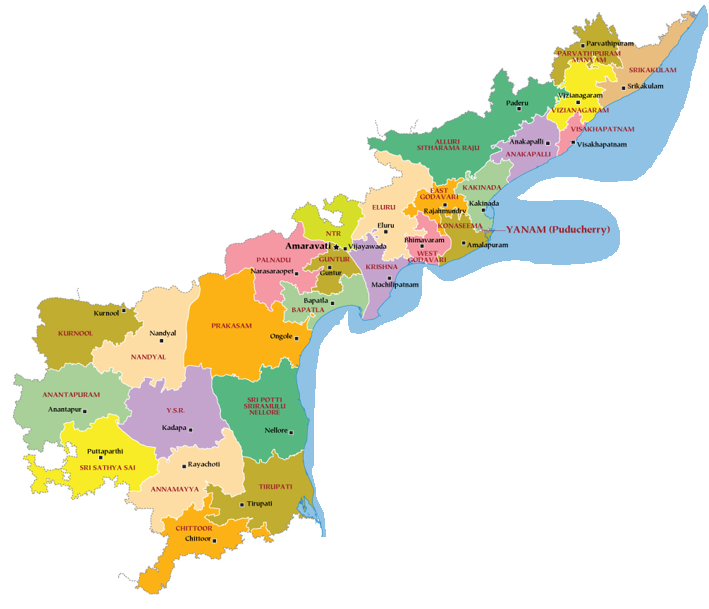
Soil Resources in A.P has been divided into 5 major groups, such as
?
- Alluvial or Delta soils
- Black soils
- Red soils
- Laterite soils
- Coastal sandy soils
1) Alluvial or Delta soils :
?
- These are occupies 5% in total cultivable land of the state.
- These soils are rich in Lime and Potasium
- Alluvial soils are spread over Krishna, Godavari, Penna and Vamsadhara deltas,

- Particularly in the districts of
- combined godavari districts.
- Krishna,
- Guntur,
- Nellore and
- Prakasham.
- Alluvial soils are delta lands formed by the stack of clay carried along by the rivers. These delta land is fertile land and conductive for cultivation.
- Alluvium that is carried away by Godavari contains limestone and potash in large proportion.
- These are best suited soils for the cultivation of crops like paddy, sugar cane, cotton, tobacco, maize, turmeric, ginger, chilies, mangoes, cashew, coconut and sapota.
2) Black Soils :
?
- These soils occupies about 25% in total cultivable land of the state.
- Black soils receive and store water for a long time. But due to stiffness of these lands it's very difficult for plants roots to spread deep. Thus, this effects cultivation.
- These soils are in black colour due to the dissolving of Iron and Megnesium oxides (Titani ferrus megnesia)
- Even though there is a deficit of nitrogen and humus in these soils, phosphorous pentoxide & Potash will be at suitable levels. Air goes inside these soils in summer because of huge cracks. Thus came the proverb that these soils are "self ploughing soils"
- These soils found in the areas of
- Kurnool,
- Guntur,
- Tadipatri division of Ananthapur,
- Krishna,
- West godavari, and
- north western part of Kadapa.
- These are best suited for the cultivation of crops like cotton, maize, Jowar, Tobacco, sunflower, sugarcane and citrus fruits.
3) Red Soils:
?
- These soils occupies about 65% in total cultivable land of the state.
- These soils are having the deficiency of Nitrogen and Phosphorous.
- These are highest extensive soils in the state.
- Found in
- most part of Rayalaseema,
- Srikakulam,
- Vijayanagarm,
- Vishakhapatnam,
- both Godavari districts,
- Krishna,
- Prakasham,
- Nellore districts in some parts.
- These soils are in Red colour due to the dissolving of Iron oxide.
- Grains like red gram, green grams, horse gram, oil grains like groundnu, castor are grown in these soils. Paddy and Fruits groves are cropped if water facility is available.
- These soils are spread larger area in Ananthapur district and less extent in Guntur district in the state.
4) Laterite Soils :
- rich in which content
- where there are available in ap
?
- These soils occupies about 3% in total cultivable land of the state.
- These soils are formed in typical monsoon conditions of high temperature and heavy rainfall with alternate wet and dry periods. these soils are also called as Red chalk soils. These soils are so deep with thin pillow type stones having alluvium in inner parts.
- Laterite soils are classified into two types. the first type is spread over heap areas and high areas.
- These soils are spread over Satyavidu, Puttur divisions of Chittor district.
- The 2nd type of laterite soils are near to coastal areas and spreads over lower areas.
- These soils are spread over Ellavaram, Peddapuram divisions of East Godavari district,
- Kavali, Kowuru, Guduru, Sullurpet divisions of Nellore district and
- the places near to sea coast in Srikakulam and Vishakhapatnam districts.
- These soils are found in brown and red colours due to the dissolving of Iron and Allumineum oxide These soils are less fertile lands. In laterite soils, Nitrogen is found in large quantity. The mud is used in the manufacturing of Bengalore tiles and bricks. These soils are convenient for the growth of gardens. Tamarind, Mango, Cashew nut trees, Spieces & Rubber.
5) Coastal Sandy soils:
?
- These soils occupies about 2% in total cultivable land of the state.
- These soils contain sand in large proportion and alluvium in less proportion.
- Since coastal areas sand soils consist of sand in high proportion and alluvium in less proportion most of these soils change into barren lands with bushes and creepers here and there.
- Sarvi trees grow in large number in these areas that are useful as fire wood.
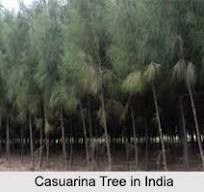
- In some high areas where the alluvium percentage is high, mango, cashewnuts and coconut grooves are cropped.
Important points at glance
- Alluvial soils are spread in large extent in the districts of combined :: Godavari districts, Krishna and Guntur.
- Alluvial soils are rich in ::lime and potasium cue - ALP
- Cotton soils are best suited for cotton, hence these soils are called as ::cotton soils. .
- Pulses and oil seeds are given good yielding levels in ::Redsoils.
- Red soils are formed due to the weathering process of {{Granite}} rocks.
- Black soils are formed due to the:: weathering process of Basalt rocks.
- Laterite soils are rich in ::Nitrogen.
- Laterite soils are formed by:: leaching process in the regions of prolonged alternative wet and dry conditions.
- Laterite soils are best suited to cultivate ::plantaion crops.